

The real estate industry has experienced a massive digital transformation over the past decade. Buyers, sellers, and investors no longer rely solely on traditional property brokers or physical visits to explore real estate opportunities. Today, most property searches begin online through mobile apps.
Real estate applications allow users to browse property listings, compare prices, schedule visits, connect with agents, and even complete transactions digitally. This shift toward digital property platforms has created enormous opportunities for businesses and startups to launch their own real estate apps.
However, creating a successful real estate application requires more than simply listing properties. Modern users expect intuitive interfaces, accurate property insights, personalized recommendations, and seamless communication features.
Companies like Softcurators specialize in helping businesses develop scalable digital platforms that transform traditional industries into intelligent digital ecosystems. If you are planning to enter the property technology market, this guide will help you understand everything you need to know about creating a real estate app.
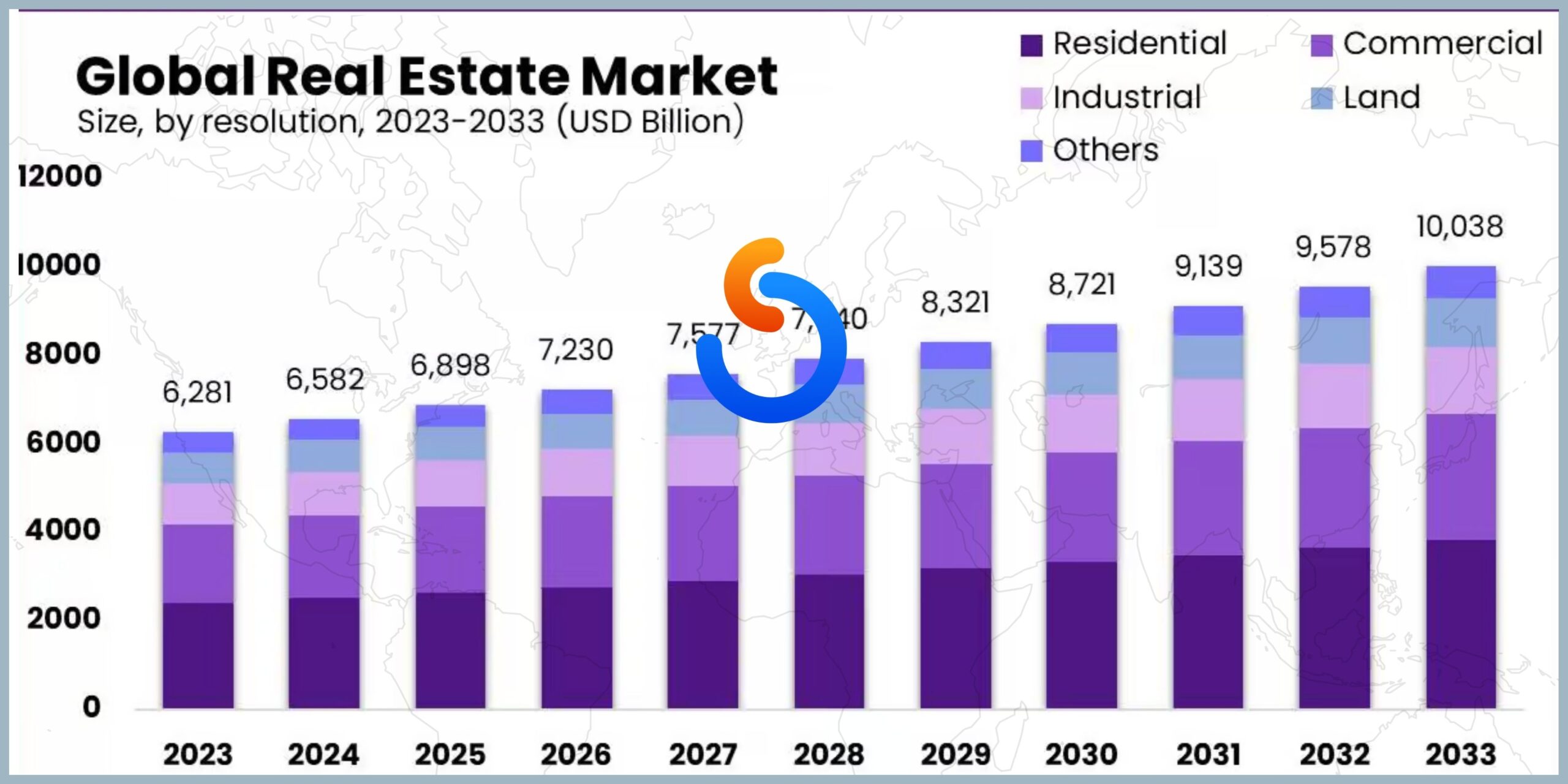
Understanding the Growth of Real Estate Apps
Real estate technology, commonly known as PropTech, is one of the fastest-growing sectors in digital innovation. Millions of users now depend on mobile apps to discover property opportunities. From first-time home buyers to large real estate investors, mobile platforms have become essential tools in the property search process.
Several factors have contributed to this growth:
- Increased smartphone usage
- Demand for digital convenience
- Virtual property tours and digital listings
- Instant communication with agents
- Real-time property price comparisons
Businesses exploring digital platforms often study development insights such as How to Choose an App Development Company before launching their own digital products.
Why Businesses Are Investing in Real Estate Apps
Real estate apps provide significant advantages for property businesses and real estate agencies. Below are some of the major reasons companies are investing in digital property platforms.
| Benefit | Description |
|---|---|
| Wider Reach | Apps allow real estate companies to reach buyers globally |
| Faster Property Discovery | Users can search and filter properties instantly |
| Improved Customer Experience | Mobile apps simplify property exploration |
| Increased Sales Opportunities | Digital platforms generate more property leads |
| Data-Driven Insights | Businesses can analyze user behavior and preferences |
Companies developing large-scale digital marketplaces often rely on experienced development partners like Softcurators, who specialize in building scalable digital platforms.

Key Types of Real Estate Apps
Before creating a real estate application, it is important to understand the different types of property platforms available in the market.
| App Type | Description |
|---|---|
| Property Listing Apps | Display property listings for buyers and renters |
| Real Estate Marketplace Apps | Connect buyers, sellers, and agents |
| Rental Property Apps | Focus on short-term or long-term rentals |
| Property Investment Apps | Provide insights for property investors |
| Real Estate Agent Apps | Help agents manage property listings and clients |
Each type serves a different business model and target audience. Many entrepreneurs entering the property technology sector first research digital marketplace strategies similar to those used in other industries such as How to Develop an E-Wallet App because both platforms rely heavily on user data and transaction flows.
Essential Features of a Successful Real Estate App
A successful property application must deliver a seamless experience for buyers, sellers, and agents. Below are some key features that modern real estate apps should include.
User Registration and Profiles
Users should be able to create personal accounts to save properties, track searches, and communicate with agents.
Property Listings
Property listings are the core of any real estate platform. Each listing should include:
- High-quality images
- Detailed property descriptions
- Location maps
- Pricing information
- Amenities and features
Advanced Property Search Filters
Users should be able to filter properties based on:
- Location
- Price range
- Property type
- Size
- Amenities
Advanced search filters improve user satisfaction and make property discovery easier.
Property Comparison Tools
Buyers often compare multiple properties before making a decision. Real estate apps should allow users to compare property details side by side.
Virtual Property Tours
Virtual tours allow buyers to explore properties remotely. This feature has become increasingly popular in modern real estate platforms.
Real-Time Chat with Agents
Instant communication between buyers and real estate agents helps accelerate property transactions.
Property Alerts and Notifications
Users should receive notifications about:
- New listings
- Price changes
- Property availability
These alerts improve user engagement and return visits.
Benefits of Creating a Real Estate App
Developing a real estate mobile application provides long-term advantages for businesses.
| Benefit | Impact |
|---|---|
| Increased Property Visibility | Listings reach a larger audience |
| Lead Generation | Apps attract potential buyers and investors |
| Brand Authority | Businesses establish digital presence |
| Customer Engagement | Users interact directly with property platforms |
| Competitive Advantage | Digital tools outperform traditional brokers |
Businesses developing digital marketplaces often partner with experienced developers such as Softcurators to ensure scalable and reliable platforms.
Real Estate App Monetization Strategies
Real estate apps offer multiple revenue opportunities. Below are some of the most common monetization models.
| Monetization Model | Description |
|---|---|
| Listing Fees | Property owners pay to list properties |
| Featured Listings | Premium listings appear at the top |
| Agent Subscriptions | Agents pay monthly fees for platform access |
| Advertising | Businesses advertise real estate services |
| Commission | Platform charges commission on transactions |
Understanding monetization strategies is crucial before launching a real estate platform.
Challenges in Building Real Estate Apps
Although real estate apps offer enormous potential, there are several challenges businesses must address.
Data Accuracy |
Property data must be regularly updated to maintain reliability. |
User Trust |
Trust is critical in property transactions. Platforms must ensure transparency and secure communication. |
High Competition |
The real estate app market is highly competitive. Businesses must deliver superior user experiences to stand out. |
Security and Privacy |
Real estate platforms handle sensitive financial and personal data. Strong security measures are essential to protect users. |
Organizations building digital platforms often rely on secure architectures similar to those used in Fintech App Development Services
Why Businesses Choose Softcurators for Real Estate App Development
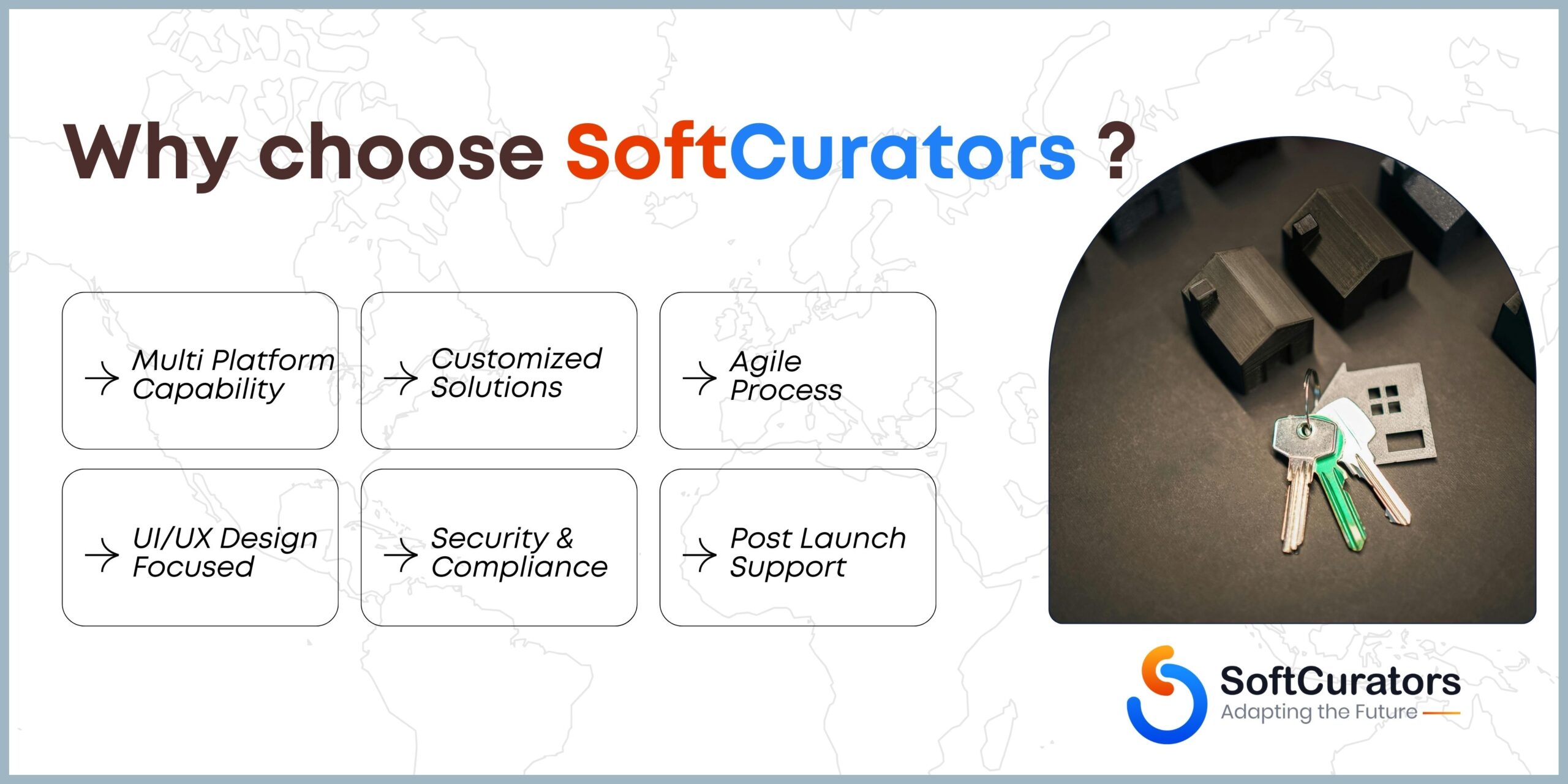
Launching a successful real estate platform requires expertise in digital marketplace design, user experience, and scalable infrastructure. Softcurators helps businesses develop intelligent property platforms tailored to modern real estate markets. Companies choose Softcurators because of:
- Extensive experience in app development
- Scalable platform architecture
- User-focused design strategies
- Strong security frameworks
- Reliable performance
Businesses evaluating technology partners often explore resources like Why Choose Softcurators. Softcurators specializes in building digital platforms that help businesses generate leads, improve customer experiences, and scale efficiently.
The Future of Real Estate Apps
The future of real estate technology will continue to evolve rapidly. Several emerging trends are shaping the next generation of property platforms. These include:
- AI-powered property recommendations
- Augmented reality property tours
- Blockchain property transactions
- Smart home integrations
- Predictive property pricing analytics
Companies that adopt these innovations early will gain a strong competitive advantage in the real estate industry.
Build Your Real Estate App with Softcurators
If you are planning to launch a real estate mobile application, working with the right development partner can make a significant difference. Softcurators helps businesses build scalable and user-friendly property platforms designed for modern digital markets. Our team specializes in developing intelligent mobile applications that combine performance, security, and exceptional user experiences.
Contact our experts today to discuss your project: Contact Us Now
Explore our services:
FAQs
How much does AI real estate software development cost?
The cost typically ranges between $10,000 and $80,000 depending on platform complexity and features.
Why are AI real estate platforms becoming popular?
AI improves property discovery, market analysis, and investment decision-making.
What factors affect AI real estate development cost?
Factors include platform complexity, design requirements, data sources, and long-term maintenance.
Can startups build AI real estate platforms?
Yes. Many startups are entering the proptech market with AI-powered property platforms.
Why choose Softcurators for AI real estate development?
Softcurators specializes in building scalable AI-powered platforms designed for modern digital businesses.
