

The way people invest has changed forever.
Retail investors now expect:
-
Real-time market access
-
Zero-friction onboarding
-
Smart analytics
-
Transparent fees
-
Mobile-first experiences
From stock trading to crypto portfolios and robo-advisory solutions, investment platforms have become one of the fastest-growing segments in financial technology.
If you’re planning to build one, this guide explains exactly how to create an investment platform step by step including features, compliance, technology stack, cost, timeline, and monetization.
Whether you’re a startup founder, financial institution, or fintech entrepreneur, this roadmap will help you move from idea to launch with clarity.
Define the Type of Investment Platform You Want to Build
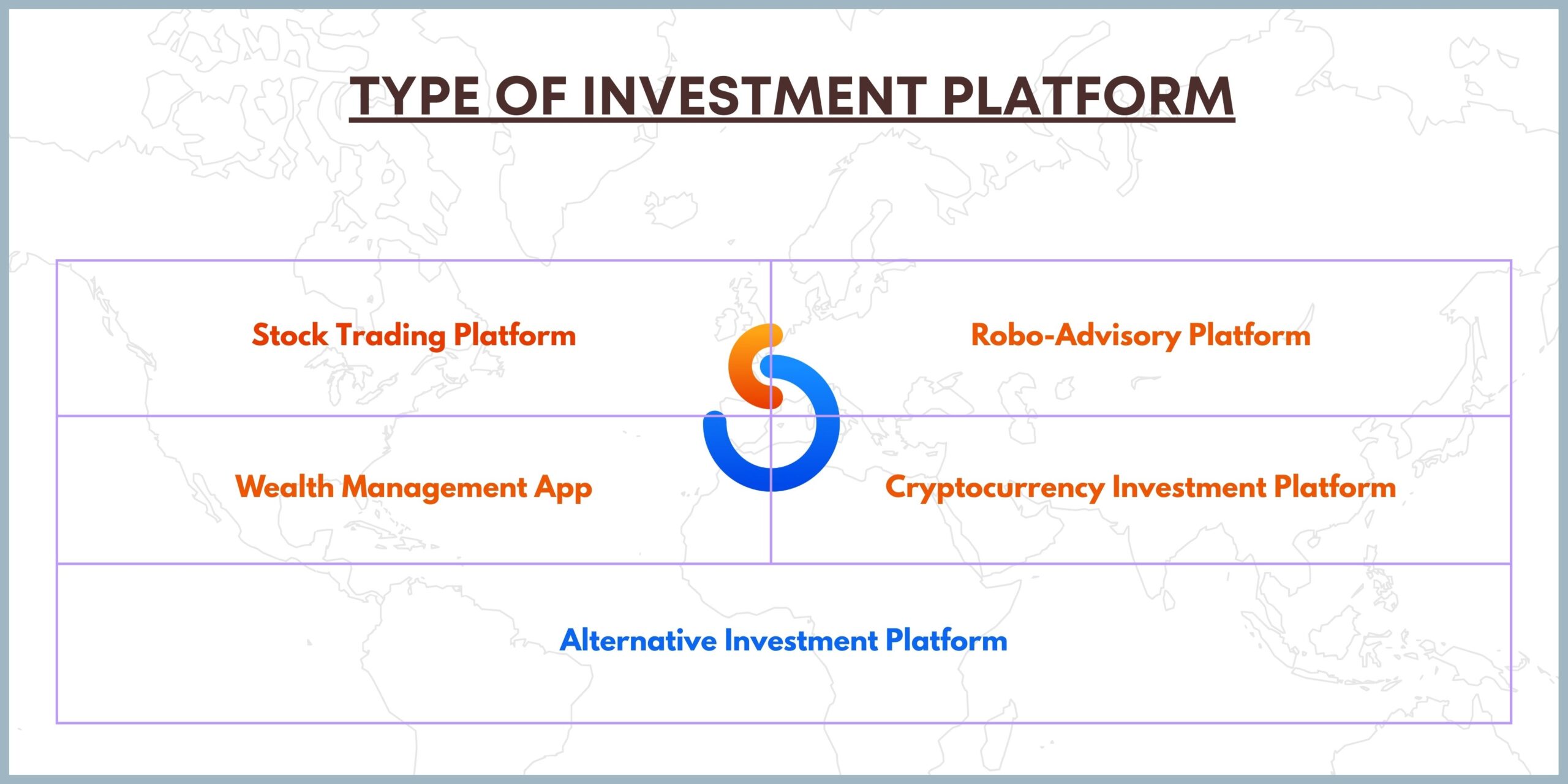
Before writing a single line of code, you must define your business model. Investment platforms fall into several categories:
Stock Trading Platform |
Users buy/sell stocks, ETFs, and other securities in real time. Core needs:
Often compared to platforms like Robinhood. |
Robo-Advisory Platform |
AI-driven automated portfolio management. Features include:
|
Wealth Management App |
Hybrid model combining:
|
Cryptocurrency Investment Platform |
|
Alternative Investment Platform |
|
Your category directly impacts regulatory requirements, backend complexity, and total cost.
If you need clarity on positioning, our fintech app development services help define product scope before development begins.
Conduct Deep Market & Compliance Research
Investment platforms are highly regulated. Skipping compliance planning can delay launch by months.
You must research:
-
Securities regulations in your country
-
Licensing requirements
-
Data protection laws
-
KYC & AML requirements
-
Investor protection standards
For example:
-
US platforms require SEC compliance
-
European platforms must follow MiFID II
-
Global platforms must comply with GDPR
Compliance is not a feature it is foundational architecture.
Core Features of a Modern Investment Platform
Let’s break down what your app absolutely must include.
User Onboarding & Verification |
Users should be able to:
A seamless onboarding flow improves conversion rates significantly. |
Risk Profiling & Suitability Assessment |
Before allowing investments, you must assess:
This protects both user and platform. |
Market Data Integration |
Your platform must support:
This requires integration with reliable financial data providers. |
Order Management System |
This is the heart of your investment platform. It handles:
This module demands high-performance backend architecture. |
Portfolio Dashboard |
Users expect:
UX clarity builds trust. |
Fund Management |
Your platform must manage:
Secure payment integration is critical here. |
Notifications & Alerts |
Push notifications for:
Engagement features increase retention. |
Advanced Features That Differentiate Your Platform
To compete in 2026, basic features aren’t enough.
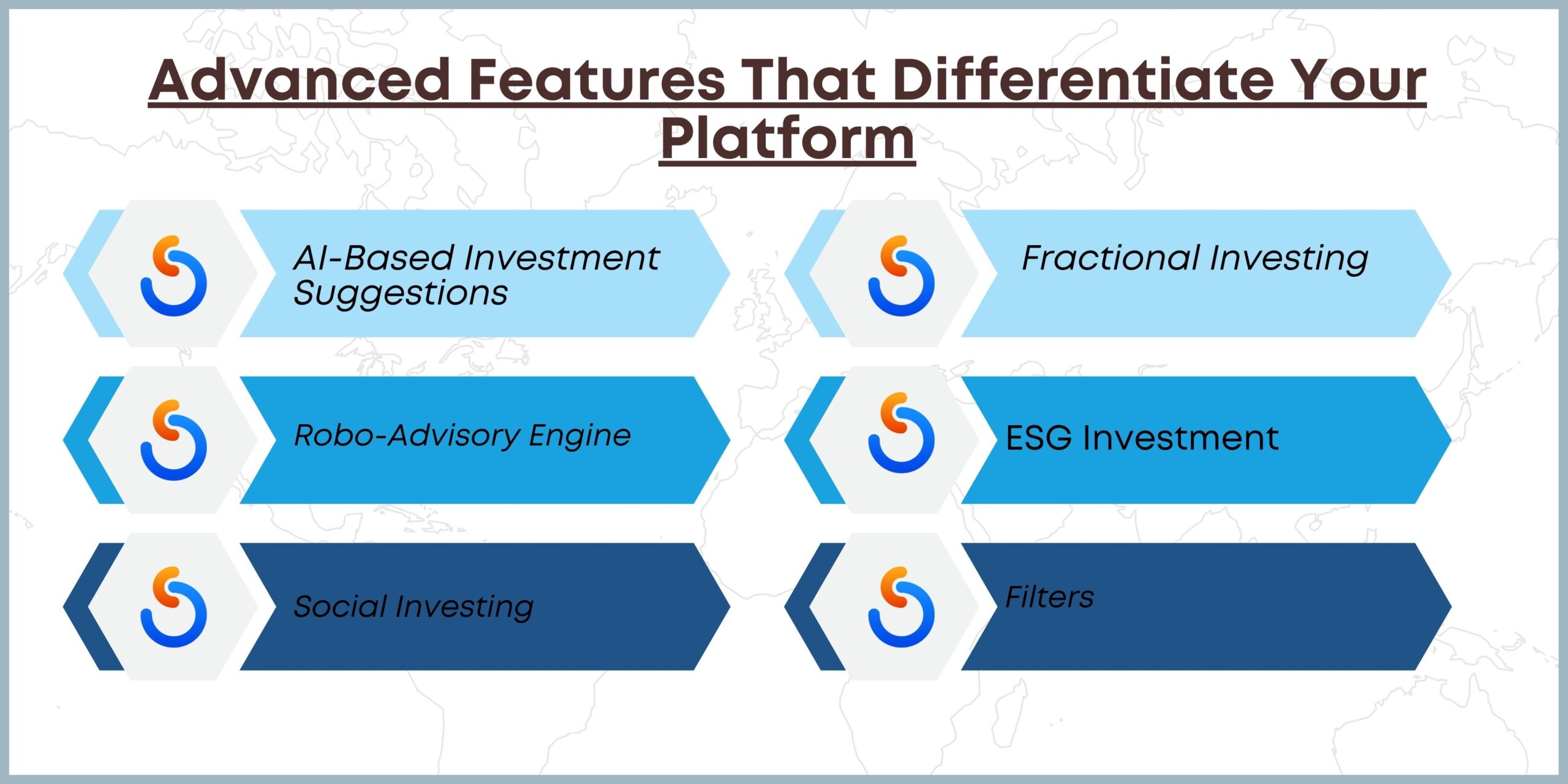
Consider adding:
AI-Based Investment Suggestions – Machine learning models analyze user behavior and market trends.
Robo-Advisory Engine – Automated asset allocation and portfolio rebalancing.
Social Investing – Users follow expert portfolios and replicate trades.
Fractional Investing – Allow users to invest small amounts in high-value stocks.
ESG Investment Filters – Filter investments based on sustainability metrics.
Our AI app development team can architect AI-powered modules tailored to your niche.
Technology Stack for Investment Platform Development
Choosing the right stack ensures performance and scalability.
Frontend
- Flutter (cross-platform)
- React Native
- Swift (iOS)
- Kotlin (Android)
Backend
- Node.js
- Python (Django)
- Java Spring Boot
Database
- PostgreSQL
- MongoDB
Real-Time Processing
- WebSockets
- Kafka for streaming
Cloud Infrastructure
- AWS
- Google Cloud
- Auto-scaling architecture
High-transaction systems require optimized server-side logic.
Security & Compliance Architecture
Security is not optional. Your investment platform must include:
-
End-to-end encryption
-
Two-factor authentication
-
Biometric login
-
PCI DSS compliance
-
KYC integration
-
AML monitoring
-
Secure API encryption
Security may account for 20–30% of development cost but it prevents catastrophic losses.
Step-by-Step Development Process
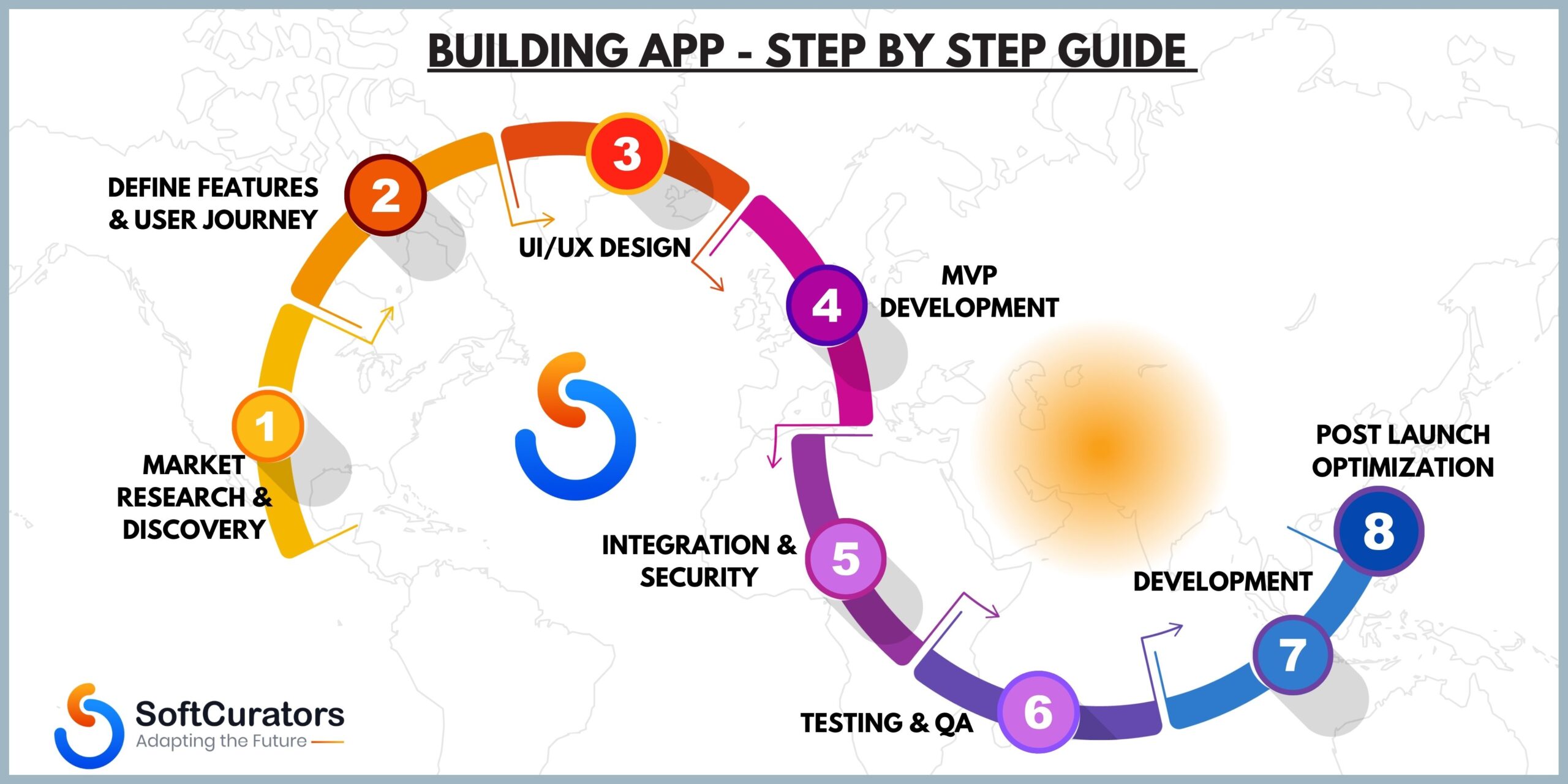
1 : Product Discovery
-
Define niche
-
Validate market demand
-
Define monetization model
2 : Wireframing & UX Design
-
Map user journey
-
Design dashboards
-
Simplify complex financial data
3 : Backend Development
-
Order management engine
-
Market data integration
-
Payment systems
-
Compliance modules
4 : Frontend Development
-
Portfolio screens
-
Trading interface
-
Charts
-
User settings
5 : Testing
-
Functional testing
-
Load testing
-
Security penetration testing
-
Compliance validation
-
Real-time transaction testing
6 : Deployment
-
iOS App Store
-
Google Play Store
-
Web platform
Post-launch monitoring is critical.
How Much Does It Cost to Create an Investment Platform?
Here’s a realistic breakdown:
| Platform Type | Estimated Cost |
|---|---|
| Basic MVP | $15,000 – $20,000 |
| Mid-Level Trading Platform | $25,000 – $40,000 |
| Advanced AI Investment Platform | $50,000 – $80,000+ |
Factors influencing cost:
-
Real-time data integration
-
AI features
-
Regulatory compliance
-
Multi-region support
-
Scalability
If you want a precise estimate, consult our custom mobile app development company experts.
Timeline to Build an Investment Platform
| Stage | Duration |
|---|---|
| Research & Compliance | 2 weeks |
| Design | 2–3 weeks |
| Development | 12–18 weeks |
| Testing | 3 weeks |
| Deployment | 2 weeks |
Total timeline: 3 – 5 months
Enterprise systems may require 5 – 8 months.
Monetization Strategies
Your revenue model determines long-term sustainability.
Options include:
-
Commission per trade
-
Subscription plans
-
Asset management fees
-
Premium analytics access
-
Advisory fees
-
Margin interest
Hybrid monetization models often work best.

Why Choose SoftCurators ?
SoftCurators builds secure, scalable financial platforms designed for growth.
We provide:
-
Full-cycle fintech app development services
-
Compliance-ready architecture
-
AI integration expertise
-
Transparent pricing
-
Long-term technical support
We don’t just develop apps we build investor-ready financial ecosystems.
Final Thoughts
Creating an investment platform requires more than a trading interface. It demands secure infrastructure, real-time processing, regulatory compliance, and intuitive design.
If done correctly, it can become a scalable, high-revenue fintech product.
If you’re ready to build an investment platform that stands out in 2026, let’s talk.
FAQs
How long does it take?
Typically 3–5 months.
Is compliance mandatory?
Yes. Investment platforms must comply with financial regulations.
Can I start with an MVP?
Yes. MVP reduces cost and speeds up validation.
What is the biggest cost driver?
Real-time data integration and compliance systems.
Is it profitable?
Yes. Commission-based models generate recurring revenue.
Why partner with SoftCurators?
Because we combine fintech expertise, scalable architecture, and secure development to build investment platforms built for long-term growth.
