
The Global FinTech Industry Market size is expected to be worth around USD 1,382 Billion By 2034.
This sharp increase highlights how rapidly consumers are adopting digital financial solutions. To keep pace with growing expectations and tap into this expanding market, many financial organizations are moving forward with plans to launch their own fintech applications.
FinTech is no longer a niche industry. It powers how people send money, invest, borrow, trade, insure, and manage their daily finances. From digital wallets to AI-powered investment platforms, financial technology is reshaping the global economy.
If you’re planning to launch a FinTech product, your first serious question is:
How much does it cost to build a FinTech app?
Here’s the honest answer:
-
A simple MVP can start at $10,000 – $25,000
-
A mid-level production-ready app ranges between $25,000 – $75,000
-
A scalable, enterprise-grade FinTech platform can exceed $75,000
But those numbers alone don’t tell the full story. This guide breaks everything down in detail so you can plan realistically, avoid hidden costs, and make informed decisions.
Understanding the Type of FinTech App You’re Building
Not all FinTech apps cost the same. Your app category significantly impacts development time, compliance requirements, backend complexity, and long-term scalability.
Let’s look at the major categories:
1. Digital Wallet App
Examples: Pay-by-QR apps, peer-to-peer transfer platforms.
Core features:
-
User wallet
-
Add / withdraw money
-
Send & receive funds
-
Transaction history
-
Push notifications
Complexity level: Moderate
Estimated cost: $15,000 – $40,000
2. Mobile Banking Application
Features:
-
Account dashboard
-
Fund transfers
-
Bill payments
-
Debit/credit card management
-
Loan & EMI tracking
Requires:
-
Strong security protocols
-
Core banking API integrations
-
Regulatory compliance
Estimated cost: $40,000 – $100,000+
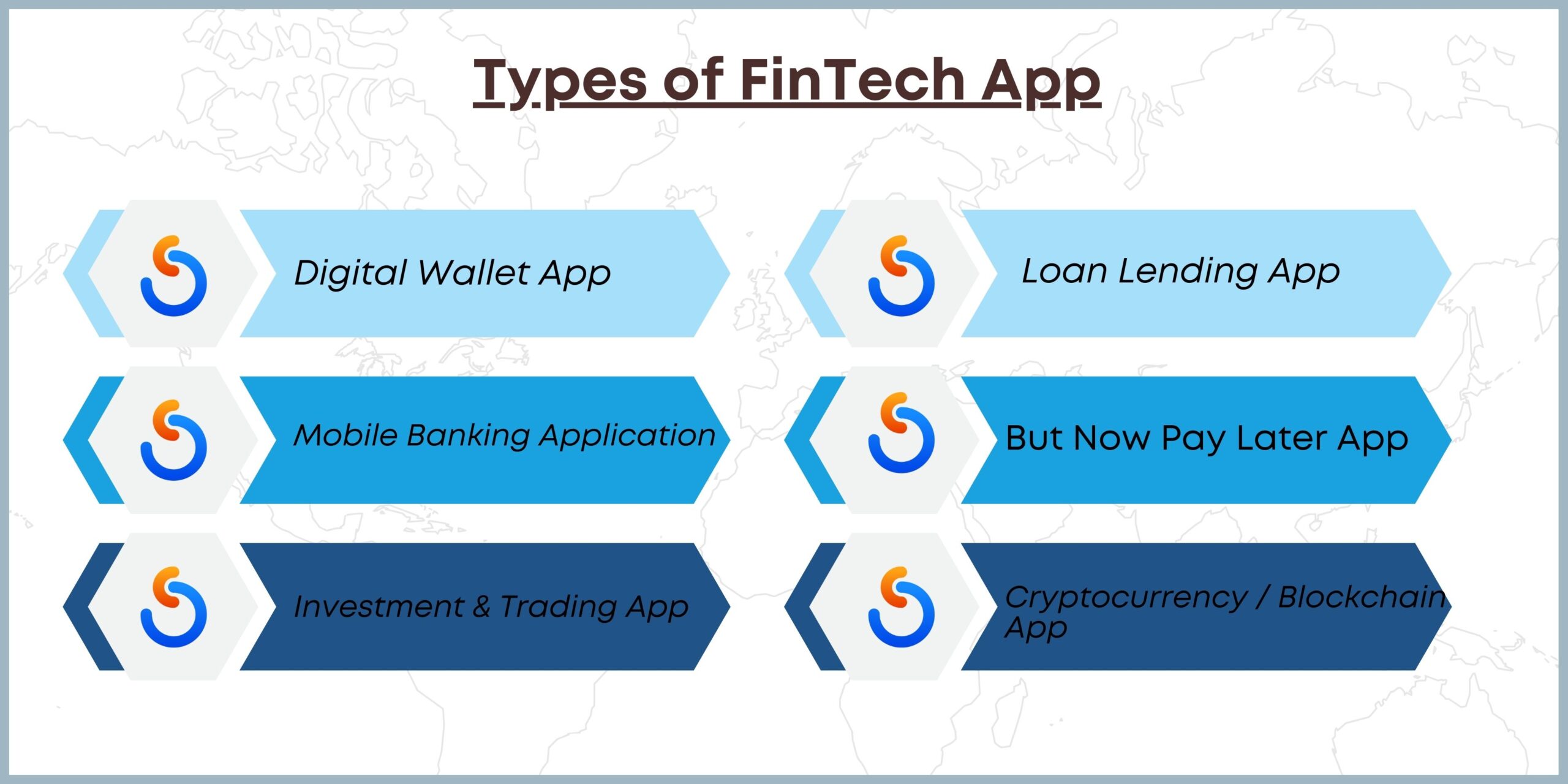
3. Investment & Trading App
Features :
-
Real-time stock market feeds
-
Portfolio management
-
AI-driven insights
-
Risk profiling
-
Advanced analytics
This type of app requires :
-
High-performance backend
-
Live data APIs
-
Scalable cloud infrastructure
Estimated cost: $40,000 – $100,000+
4. Loan Lending and BNPL App
Features:
-
User credit scoring
-
EMI calculation
-
Merchant integration
-
Risk engine
-
Fraud detection
Advanced risk modeling increases development cost significantly.
5. Cryptocurrency / Blockchain App
Features:
-
Crypto wallet
-
Exchange engine
-
Blockchain integration
-
Multi-signature authentication
Highly complex due to decentralized systems and security requirements.
If you’re evaluating the right product strategy, our fintech app development services help you define scope before budgeting.
Detailed Cost Breakdown by Complexity
Let’s go beyond ranges and understand what “complexity” truly means.
| Type | Budget Range | Features |
| Basic MVP FinTech App | $10,000 – $25,000 |
Ideal for:
Includes:
Does NOT include:
|
Mid-Level FinTech App
|
$25,000 – $75,000
|
Suitable for:
Includes:
|
Advanced FinTech Platform
|
$75,000 – 150,000+
|
Enterprise-grade solution including:
This level prioritizes performance, compliance, and global scalability. |
The Biggest Cost Drivers in FinTech Development
Let’s break down what really increases your budget.
1. Security & Compliance (Non-Negotiable)
Security is the backbone of FinTech.
Major compliance requirements include:
-
PCI DSS
-
GDPR
-
KYC (Know Your Customer)
-
AML (Anti-Money Laundering)
-
Data encryption standards
-
Secure API protocols
Security implementation alone may account for 15–30% of total cost.
This is why working with a custom fintech app development team reduces long-term risk.
2. Payment Gateway Integration
Recurring billing, subscription payments, card payments, ACH transfers — each integration adds time and cost.
Includes:
-
API configuration
-
Transaction testing
-
Webhook management
-
Fraud filters
3. AI & Fraud Detection Systems
Advanced apps integrate:
-
Behavioral analytics
-
Real-time anomaly detection
-
Machine learning models
-
Transaction monitoring engines
AI development is resource-intensive but significantly improves reliability.
4. Cloud Infrastructure
FinTech apps must handle:
-
High transaction volumes
-
Data backups
-
Redundancy
-
Auto-scaling
Cloud setup & DevOps architecture contribute significantly to cost.
Technology Stack & Its Cost Impact
The technology choice affects both development cost and long-term scalability.
Frontend:
- Flutter (cost-efficient cross-platform)
- React Native
- Swift / Kotlin (higher cost, native performance)
Backend:
- Node.js
- Python (Django)
- Java Spring Boot
Database:
- PostgreSQL
- MongoDB
Cloud:
- AWS
- Google Cloud
An experienced fintech software development company selects tech stack based on your scalability goals.
Hidden Costs Most Founders Overlook
Many founders only budget development costs and ignore:
-
Annual maintenance (15–20%)
-
Server hosting fees
-
Payment processing charges
-
App store commissions
-
Security audits
-
Legal compliance costs
-
Ongoing API subscriptions
Ignoring these can disrupt cash flow.
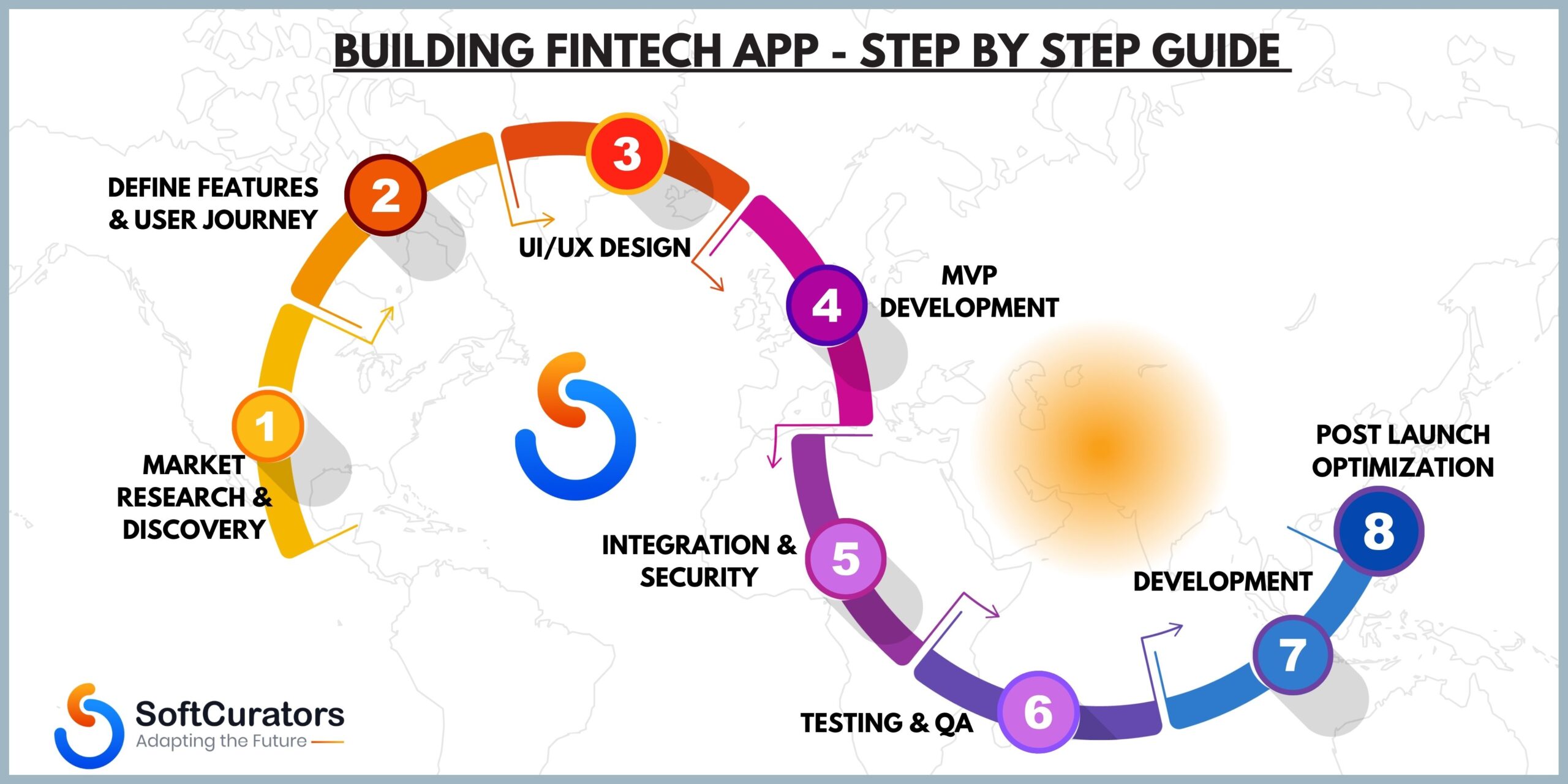
Timeline Breakdown
| Phase | Duration |
|---|---|
| Research & Planning | 1 week |
| UX/UI Design | 2 – 4 weeks |
| Development | 6 – 12weeks |
| Security Testing | 2 – 3 weeks |
| Deployment | 1 week |
Total: 3 – 5 months
Enterprise systems may extend beyond 9 months.
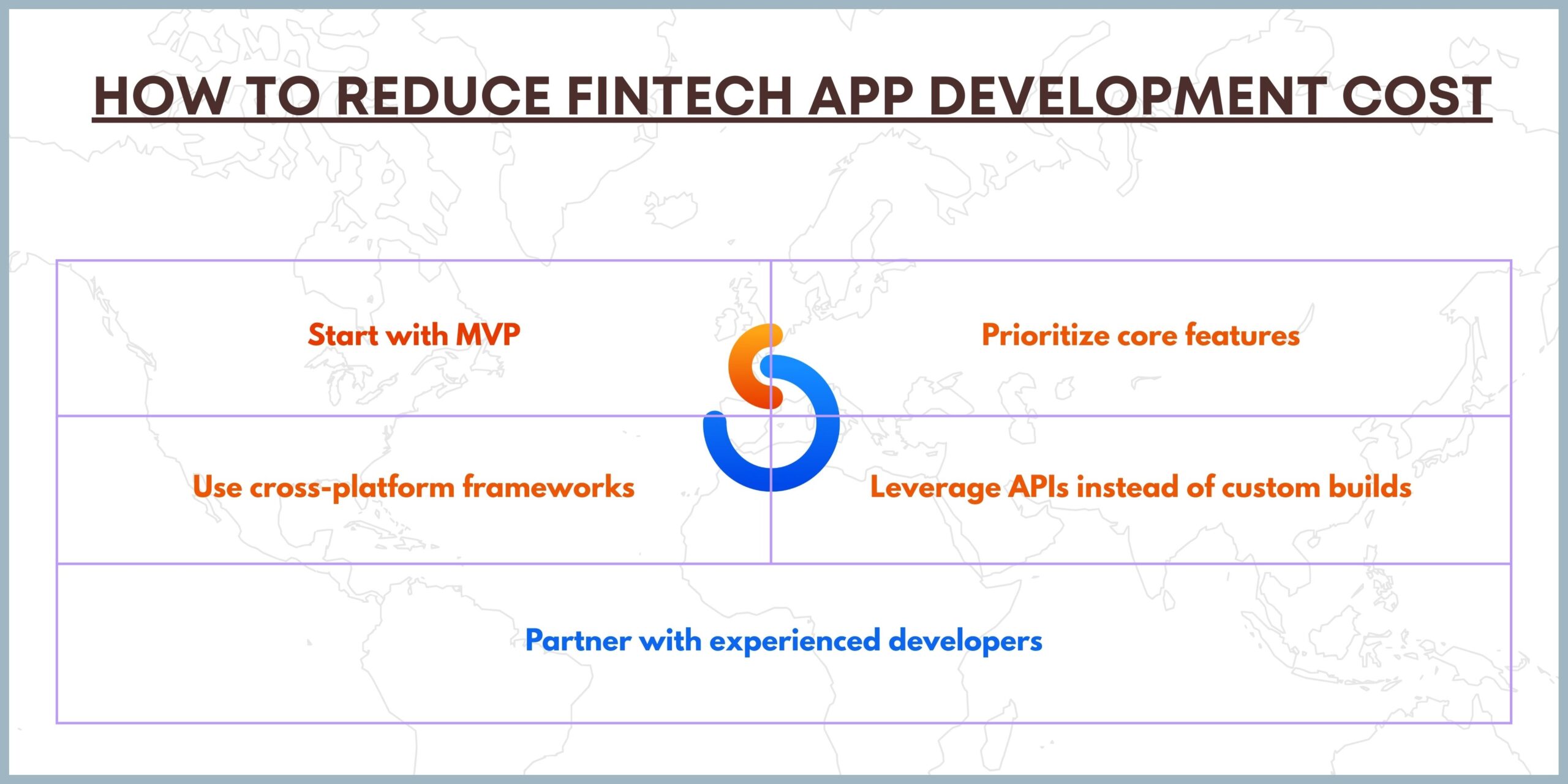
How to Reduce FinTech App Development Cost
-
Start with MVP
-
Prioritize core features
-
Use cross-platform frameworks
-
Leverage APIs instead of custom builds
-
Partner with experienced developers
SoftCurators helps optimize your roadmap to balance budget and scalability.
Why Choose SoftCurators?
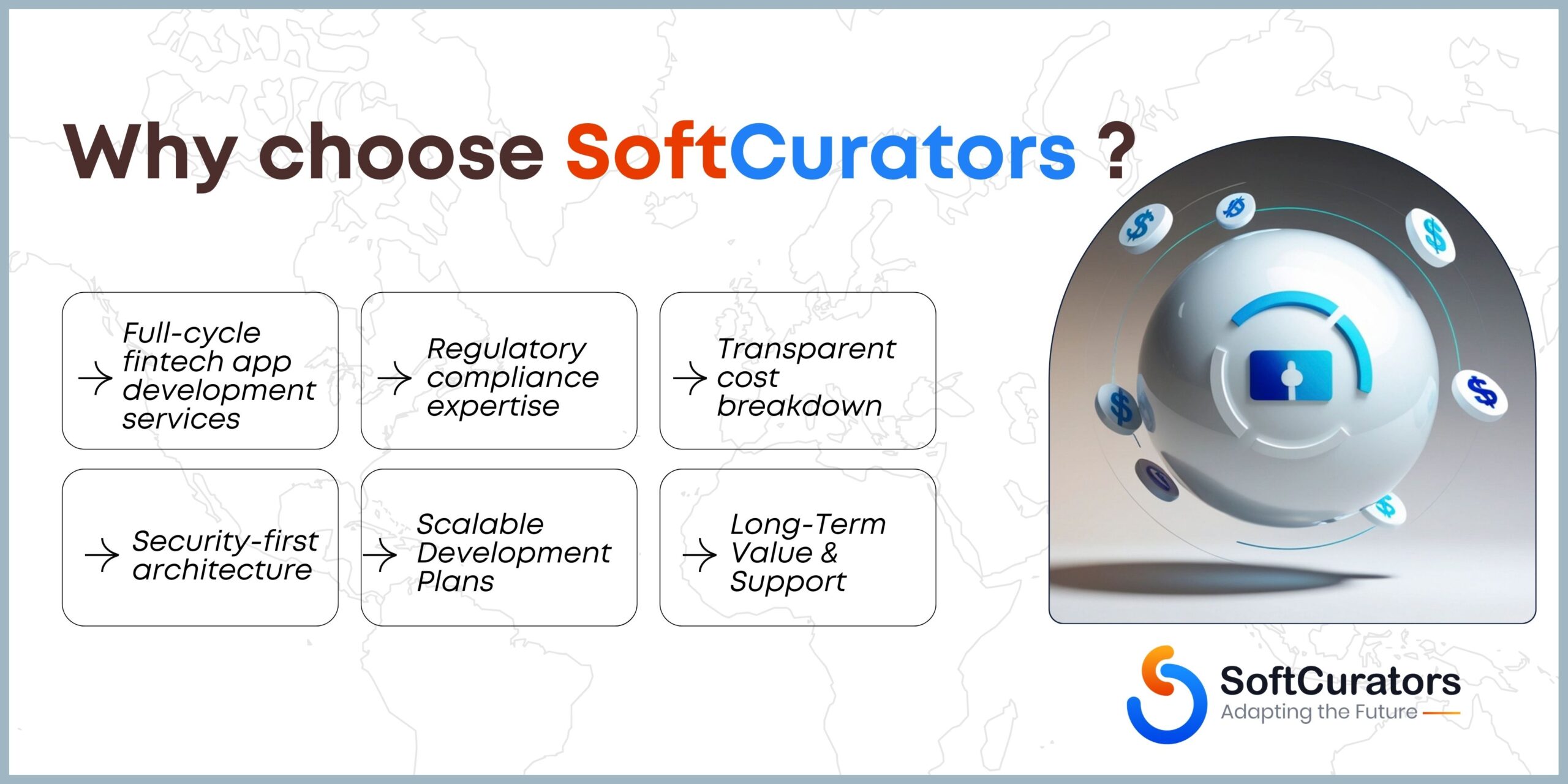
SoftCurators builds secure, scalable, compliance-ready financial platforms.
We offer:
-
Full-cycle fintech app development services
-
Security-first architecture
-
Regulatory compliance expertise
-
Transparent cost breakdown
-
Long-term technical support
We don’t just build apps we build financial ecosystems designed for growth.

Final Thoughts
The cost to build a FinTech app isn’t fixed it’s strategic.
A well-built FinTech platform can:
-
Scale globally
-
Generate recurring revenue
-
Build user trust
-
Attract investor confidence
If you’re planning to build a secure and scalable financial application, let’s discuss your idea.
FAQs
Why is FinTech development more expensive than regular apps?
Due to strict security, compliance, and infrastructure requirements.
How long does it take?
3-5 months for most mid-level apps.
Can I start with a limited feature set?
Yes. MVP development reduces initial cost.
What is the biggest cost factor?
Security and compliance integrations.
Is FinTech app development profitable?
Yes. Transaction fees, subscriptions, and financial services generate recurring revenue.
